
The Unyielding Craft: Dissecting Performance and Narrative in Today's Cinema
From a surprising Predator sequel to a nuanced Ethan Hawke performance and a space drama's narrative drift, Brian examines the highs and lows of recent cinematic and television endeavors. It’s all about the choices filmmakers make—sometimes brilliant, sometimes baffling.
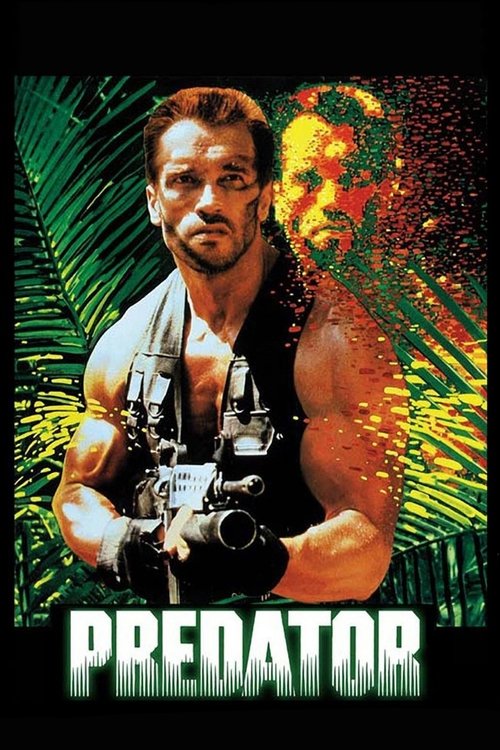
You got five to ten minutes to grab me, and few things do it quicker than genuine audacity in storytelling. When I heard about Prey, the latest installment in the Predator franchise, my initial reaction was a groan you could hear across the soundstage. Franchise fatigue is a real malady, a creeping blight on cinematic ambition. Yet, what director Dan Trachtenberg delivered was nothing short of a revelation, a masterclass in re-contextualizing a familiar threat. This film didn't just meet expectations; it shredded them, presenting a villain of such brutish, almost Klingon-esque cultural depth that the titular predator became, astonishingly, something approaching a sympathetic figure. This is the classic Hero's Journey toward redemption and family honor, executed with a lean precision that reminded me of classic genre filmmaking where every frame counts.

Reimagining the Monster
What struck me about Prey was its narrative confidence. It stripped away the bombast that had slowly diluted the franchise since John McTiernan's original Predator, choosing instead a grounded, primal struggle. The supporting characters, particularly the android companion the lead saves, shared a brilliant, unspoken rapport that deepened the emotional stakes. And the alien planet itself? A character in its own right, teeming with natural dangers that made the human protagonists feel truly vulnerable and out of place. The film's brilliance lies in its ability to take a class of evil aliens and, through ingenious writing and direction, turn them into something akin to a huggable villain. Not in a soft-focus sense, mind you, but in revealing a complex societal structure behind the hunt, making their actions understandable, if still brutal. It's a bold move that aspiring writers should study: how do you humanize the inhuman without defanging it? This film has the answer, and it makes me want more.
The Weight of Performance: Ethan Hawke's Blue Moon
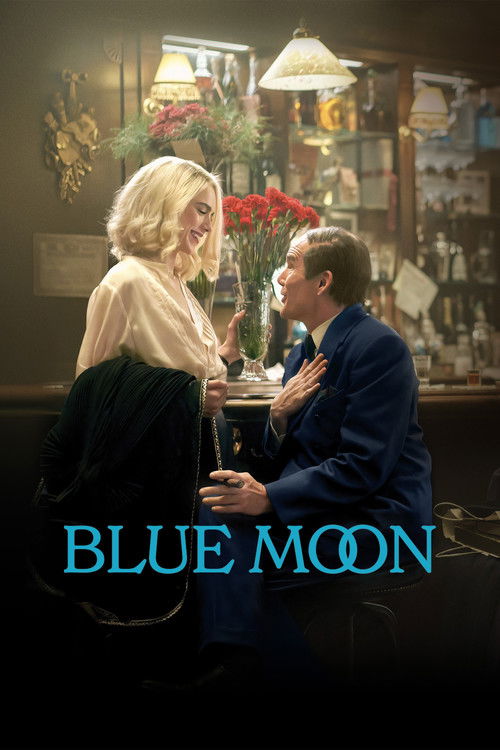
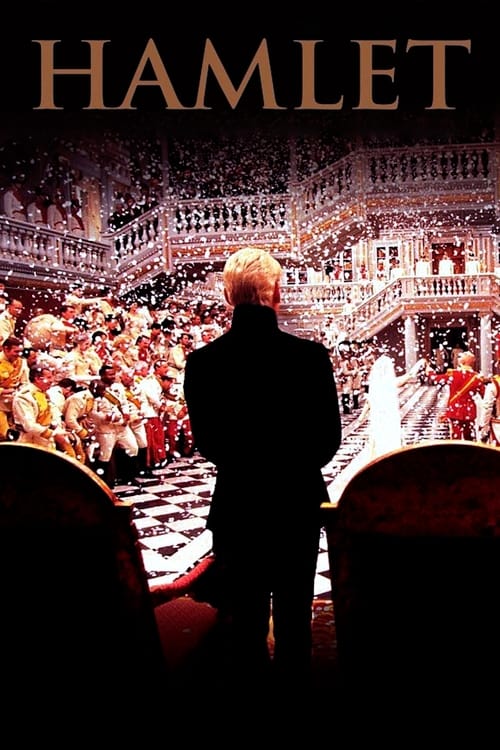
Switching gears from the primal to the profoundly personal, let’s talk about Ethan Hawke. He is, to my mind, the consummate actor, a man whose insights into his craft offer endless lessons. I had the opportunity to see his latest, Blue Moon, and the performance he delivers is nothing short of stellar. You see the internal work, the meticulous preparation. It's an immersive portrayal that truly captures the character's essence. Hawke has always been an actor who disappears into his roles, whether as the conflicted intellectual in Hamlet or the everyday man grappling with existential dread. In Blue Moon, he once again demonstrates that special kind of resilience and internal fortitude that separates the exceptional from the merely competent. As Tommy Morgan, our showrunner, often says, "I'm always in awe of writers, directors, musicians, performers and actors. It takes unusual fortitude to do what they do — in front of a camera, for the world to judge, and be constantly in a place of competition and judgement for every performance. This takes a special kind of resilience and internal fortitude that makes them exceptional. To risk being made a fool as an actor — this is one of life's riskiest ventures and not for the timid. My critiques — just another guy's opinion; keep doing what you do!"
My critique of Blue Moon, then, comes from a place of deep respect for Hawke's brilliance. While his performance is unimpeachable, I found myself repeatedly pulled out of the film by a technical misstep: the poorly executed headpiece he wore to portray the character's balding. It's a small detail, perhaps, but one that broke the illusion for me, a distraction from an otherwise deeply committed and thoughtful portrayal. Such minor technical flaws can undermine even the most brilliant acting choices, making a niche film that much harder to recommend universally. It speaks to the myriad tiny decisions that conspire to either make or break a cinematic experience, regardless of the talent at its core.
When Narrative Drifts: The Case of For All Mankind
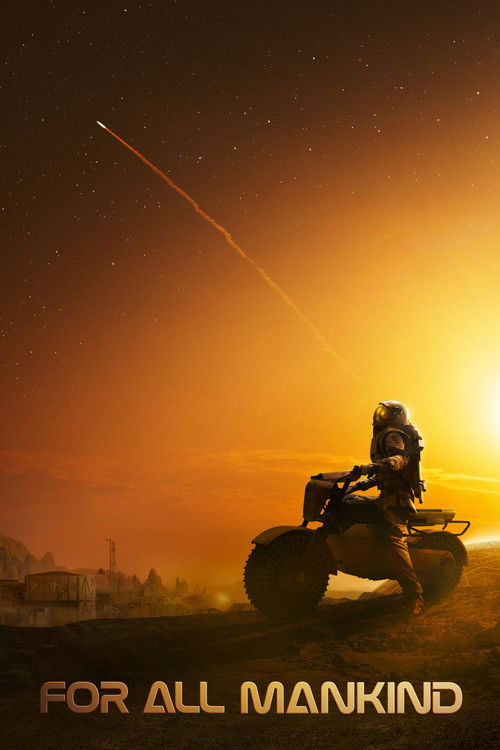
Finally, let's turn our gaze to the small screen, specifically to For All Mankind. This series, in its early seasons, crackled with energy and bold vision, a fascinating alternate history of space exploration. It dared to imagine. However, the more recent seasons have, to my disappointment, devolved into what feels like a wrap-up of the characters' lives rather than a grand exploration of humanity's future among the stars. The death of Ed Baldwin, for instance, felt less like a dramatic turning point and more like the end of a long-running night soap opera. The budget constraints, if that is indeed the issue, seem to have grounded the narrative. We're left with too little actual sci-fi exploration, too few moments that truly transport us beyond Earth's orbit, aside from the occasional hopper craft. This is a series that should be charting new celestial territories, not rehashing terrestrial dramas.
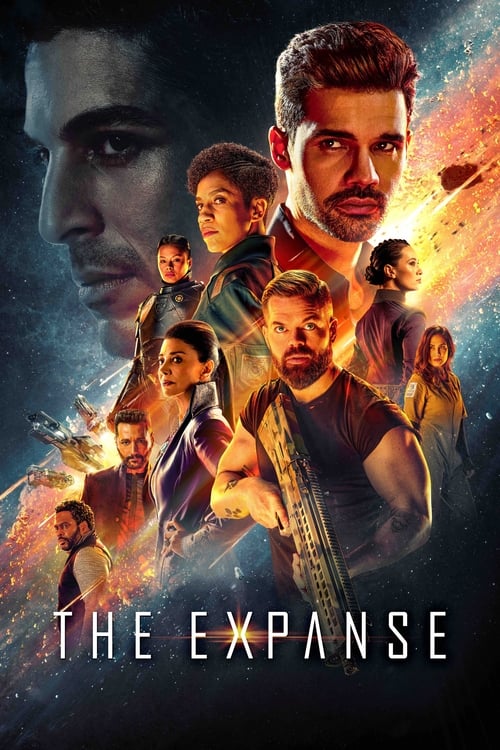
What the series truly leaves out is any significant exploration into extraterrestrial life or the potential for archaeological discoveries on Mars—the very stuff that elevates speculative fiction. Instead, it seems content to imitate the gritty, black-market-driven space opera of The Expanse, complete with belters and stolen spaceships, but without The Expanse’s unique philosophical backbone or its compelling mystery of the protomolecule. This safe approach, avoiding the truly unknown, diminishes its potential and reduces it to another well-acted but ultimately earthbound night soap. It’s a missed opportunity to truly lean into the "fiction" part of science fiction.
Ultimately, whether on the big screen or the small, the success of a story hinges on its courage—the courage to truly reimagine a monster, to fully commit to a performance without distracting technical flaws, or to consistently push the boundaries of its premise rather than settling for the comfortable. These are the choices that keep us watching, debating, and, most importantly, returning for more.
