There are very few filmmakers working today whose mere name on a marquee signals a particular kind of cinematic experience: one that is intellectually rigorous, visually astounding, and fundamentally interested in challenging the very mechanics of storytelling. Christopher Nolan is, without question, at the forefront of this elite group. He has, over decades, cultivated a reputation not just as a hit-maker, but as an auteur who has consistently refused to compromise his unique vision, often pushing the boundaries of what a mainstream blockbuster can achieve.
The Architect of Time and Narrative
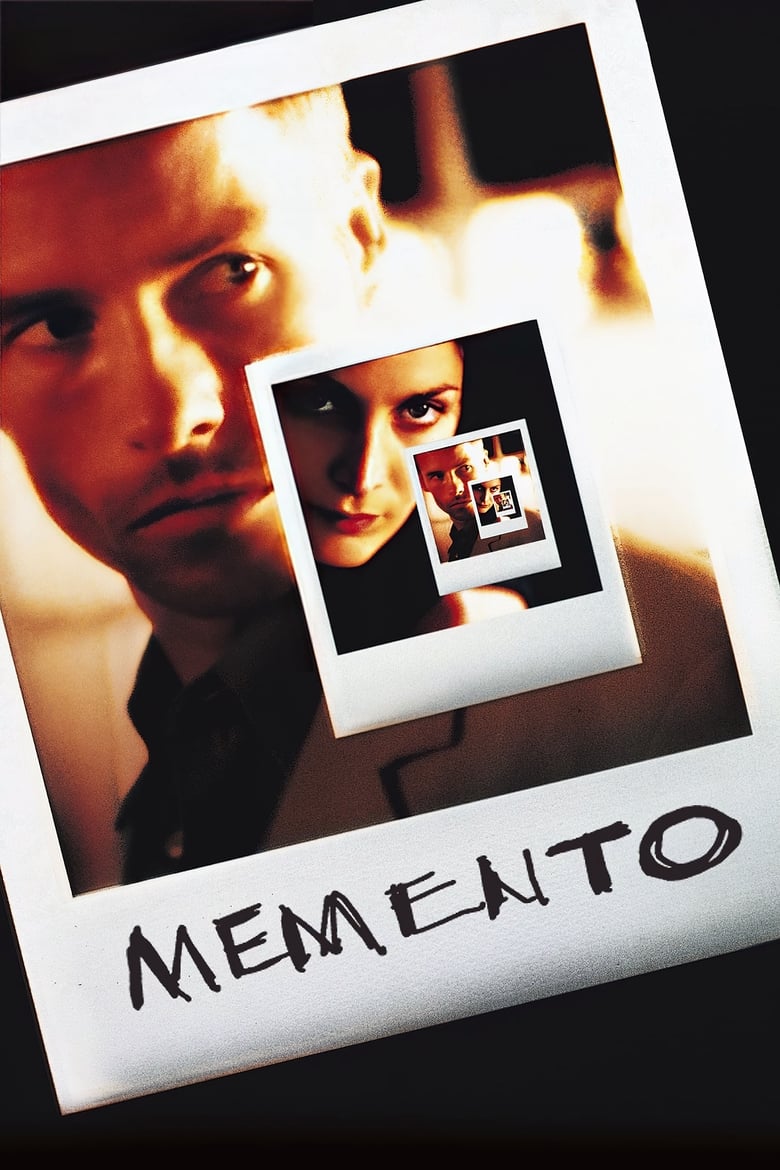
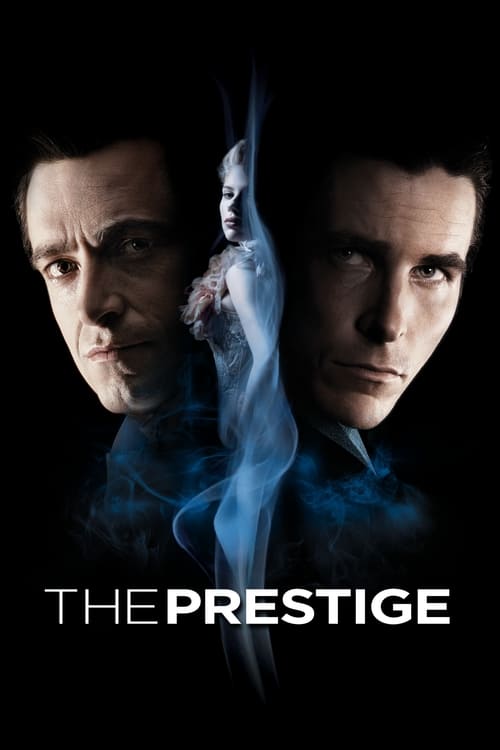
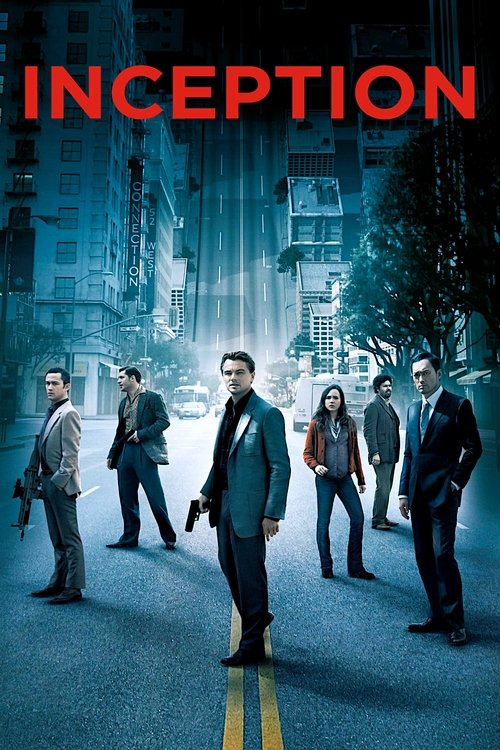
To speak of Nolan is to speak of time – not merely as a plot device, but as a malleable element of the narrative structure itself. From the backward-unspooling enigma of Memento (2000) to the multi-layered dreamscapes of Inception (2010), Nolan has consistently demonstrated a profound fascination with chronology, memory, and perception. He doesn't just tell stories; he crafts intricate puzzle boxes where the act of viewing becomes part of the intellectual exercise. As Pauline Kael might have observed of a similar craftsman, he invites us not just to watch, but to engage in an active decipherment, much like the magicians in his superb The Prestige (2006).
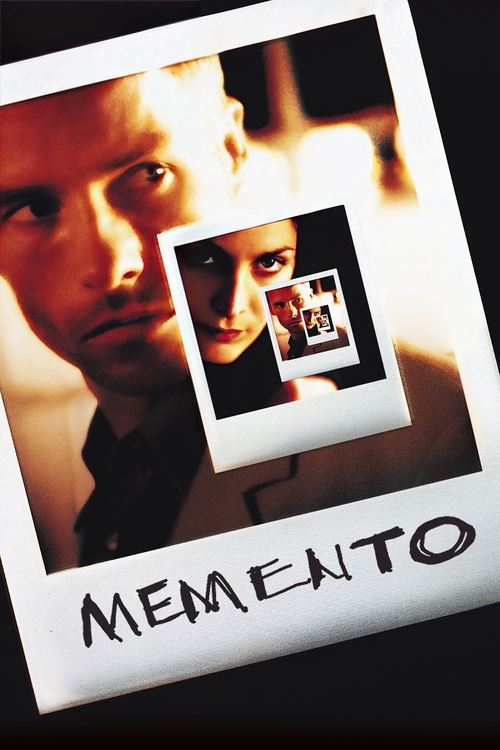
His films demand attention, rewarding repeat viewings as new connections surface and the meticulously planned machinery of his plots reveals itself. This is not simply about twist endings, though he is adept at those; it’s about a structural integrity that often uses non-linear presentation to deepen emotional impact and thematic resonance, rather than for cheap trickery. It’s a bold choice in an industry often wary of anything that might alienate a mass audience, yet Nolan has proven that intelligence and complexity can, in fact, be global box office draws.
Practical Grandeur in a Digital Age
One of Nolan’s most admirable and distinctive characteristics is his unwavering commitment to practical effects and tangible filmmaking wherever possible. In an era where computer-generated imagery can conjure virtually anything, Nolan still favors the colossal set build, the real explosion, the in-camera trick. Think of the truck flip in The Dark Knight (2008), the zero-gravity corridor in Inception, or the literally atomic scale of Oppenheimer (2023)’s Trinity test. These are not merely spectacles; they carry a weight, a verisimilitude that CGI, however advanced, often struggles to replicate. There’s a textural quality, a physical presence to his worlds that grounds even his most fantastical concepts.
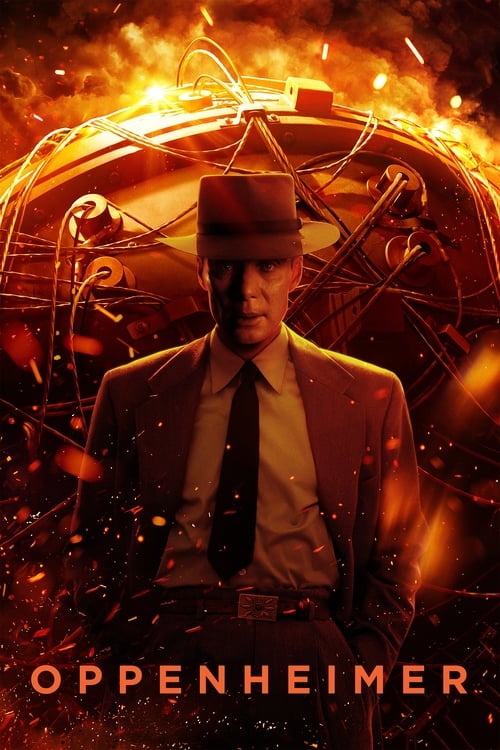
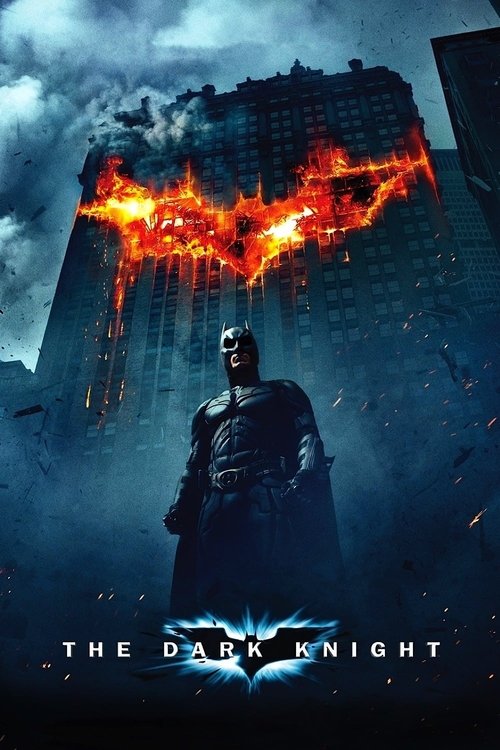
This dedication is not born of Luddism, but a deep respect for the craft itself, an understanding that the audience feels the difference. It speaks to a directorial control that extends beyond the script, into the very atoms of the visual experience. It's a testament to his belief that cinema should be an immersive, physical event, an argument against the diminishing returns of pure digital artifice. His films often feel like meticulously engineered machines, each component serving a greater, awe-inspiring purpose.
The Human Element Amidst the Spectacle
For all the structural ingenuity and monumental scale, it’s crucial to recognize that Nolan’s films are ultimately driven by deeply human concerns. Beneath the collapsing cities and warping time, there are characters grappling with grief, obsession, sacrifice, and the weight of impossible choices. Whether it's the father’s agonizing decision in Interstellar (2014) or the soldiers’ desperate struggle for survival in Dunkirk (2017), Nolan consistently roots his epic narratives in profoundly personal stakes. He understands that spectacle without heart is just noise.
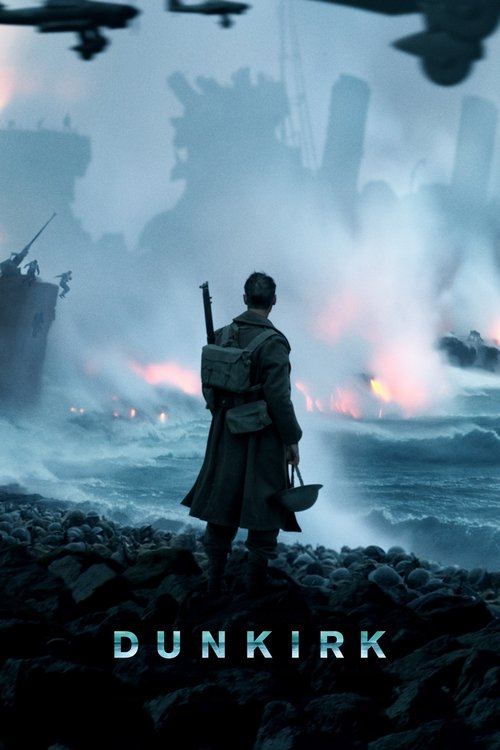
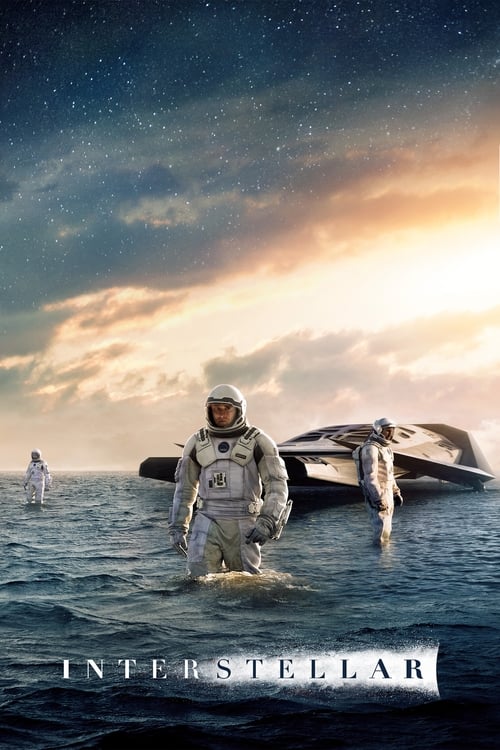
His protagonists, often isolated by their genius or burdened by their past, are navigating profound ethical and emotional landscapes. They are explorers of internal and external frontiers. He challenges his audience to think, to question, but also to feel. This balance – between intellectual puzzle and emotional core – is what elevates his work beyond mere genre exercise and firmly establishes him as one of the most significant filmmakers of our time. He pushes the boundaries of cinematic language, yet never loses sight of the fundamental human drama that draws us to the screen in the first place.
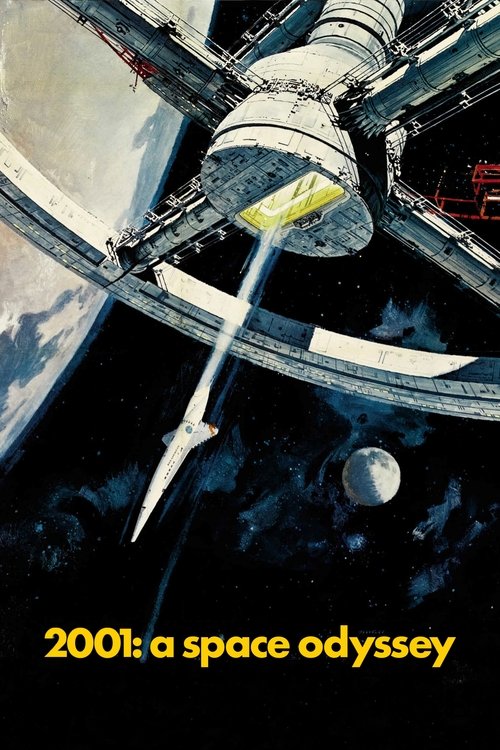
Christopher Nolan has, in effect, built his own canon within contemporary cinema, a body of work that is instantly recognizable yet constantly evolving. He is a director who continues to demand more from his audience, and in doing so, delivers more than almost anyone else. Much like Stanley Kubrick with 2001: A Space Odyssey (1968), Nolan takes us to the edge of what’s comprehensible, leaving us both breathless and pondering long after the credits roll. And for that singular achievement, he deserves our continued admiration and scrutiny.

![Outlander: Seasons 1–5 [Blu-ray]](https://m.media-amazon.com/images/I/71tlWlGdBpL._SL1001_.jpg)


