
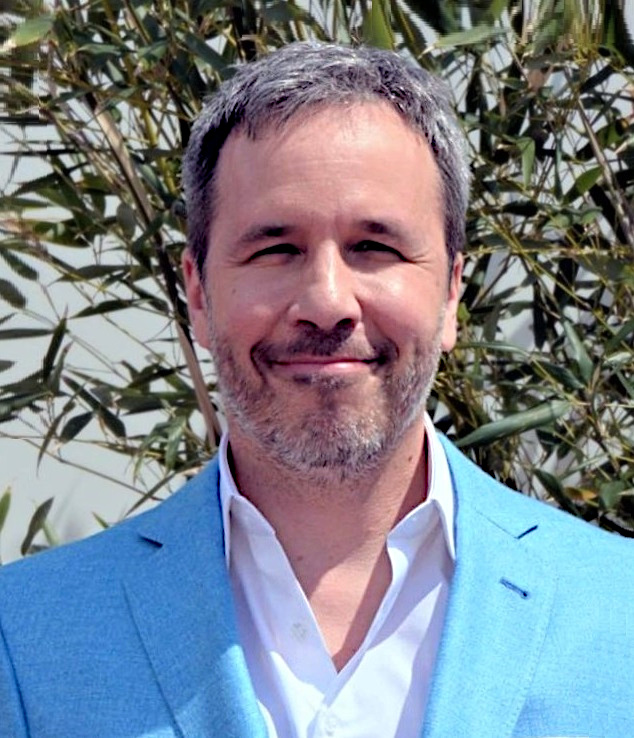
When one speaks of a modern auteur capable of delivering both immense spectacle and penetrating introspection, the name Denis Villeneuve invariably rises to the fore. In an era often characterized by fragmented storytelling and visual cacophony, Villeneuve is an architect of awe, a filmmaker whose commitment to craft, psychological depth, and audacious vision feels both timeless and urgently contemporary. He doesn't just make movies; he constructs cinematic experiences that demand a surrender to their scale and their quiet contemplation.
The Grandeur of Silence and Space
Villeneuve’s filmography is a masterclass in leveraging the canvas of the big screen. Consider the breathtaking expanses of Arrakis in Dune: Part Two, a film that, like its predecessor Dune (2021), feels less like an adaptation and more like a faithful translation of a vast literary world into pure cinematic language. The desert is not merely a setting; it is a character, a force that dwarfs humanity, yet in its quiet grandeur, allows for moments of profound personal discovery. This mastery of scale extends to the decaying, rain-swept urban sprawl of Blade Runner 2049. With cinematographer Roger Deakins, Villeneuve created a world both oppressive and hauntingly beautiful, where every neon glow and falling snowflake feels meticulously placed. It’s a testament to his directorial control that even in environments so vast, the camera remains intimately tied to the subjective experience of its characters.
The Weight of Choice and Consequence
Beneath the monumental visuals, Villeneuve is a deeply humanist filmmaker, consistently exploring the profound impact of choice and the often-unbearable weight of consequence. He gravitates toward characters wrestling with existential questions or navigating morally ambiguous landscapes. Amy Adams' Dr. Louise Banks in Arrival, for instance, is not just decoding an alien language; she's grappling with the very fabric of time and personal loss, her intellectual journey inextricably linked to her emotional one. Similarly, in Sicario, the moral descent of Kate Macer, played by Emily Blunt, is charted not through exposition, but through the visceral impact of the brutal, labyrinthine world she is forced to inhabit. These are not heroes in the conventional sense, but individuals profoundly shaped, and sometimes broken, by their circumstances – a recurring thematic thread I find endlessly compelling.
A Rhythm All His Own
One of Villeneuve's most distinctive traits is his almost surgical approach to pacing. There's a deliberate, unhurried rhythm to his films that can be challenging to some, but utterly hypnotic to others. He understands the power of the slow burn, the sustained tension, the pregnant pause. Think of the suffocating suspense built throughout Prisoners, where every reveal feels earned and every moment of silence pulses with unspoken dread. Even in the relatively earlier Incendies, the narrative unfolds with a measured gravity that allows the audience to fully absorb its devastating revelations. It’s a confidence in his own vision, an unwavering belief that the audience will lean in, will invest, if given the space to do so. This isn't the rapid-fire editing of so much contemporary cinema; it is a meticulously orchestrated cadence that elevates mood and meaning.
Denis Villeneuve is not simply making movies; he is crafting experiences that resonate long after the credits roll. He reminds us that cinema, at its most potent, can be both an intellectual challenge and an emotional excavation, a grand tapestry woven with the most intricate threads of human experience. He is a director whose work both respects the legacy of the medium and fearlessly pushes its boundaries. His filmography stands as a vital and thrilling argument for the continued power of the theatrical experience. We are fortunate to witness an artist of such singular voice operating at the height of his powers.

![Outlander: Seasons 1–5 [Blu-ray]](https://m.media-amazon.com/images/I/71tlWlGdBpL._SL1001_.jpg)


